 |  |  |  |  |  |  |  | |||||||||
 | | | | | | | | | | | | | | | | |
 | ||
| | |
 | ||
| | |
In Sept 14 we had the opportunity for a guided tour of the history and landmarks of Christchurch Harbour, as part of the annual Dorset Architectural Heritage Week. Our guide was Clive Andrews. | ||
| | |
 | ||
| | |
 | ||||||
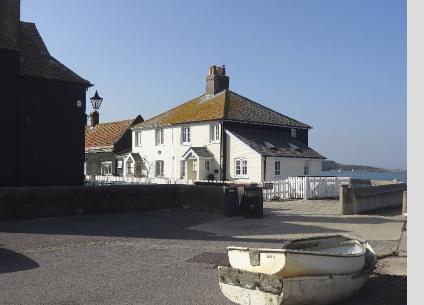 | ||||||
We met at Mudeford Quay, and looked round and popped in to the fishmongers, before boarding our boat, which normally serves as the ferry. | ||||||
| | | | | | |
 | ||||||
 | ||||||
 | ||||||
| | | | | | |
| ||
| | |
Hengistbury Head and Mr Selfridge | ||
| | |
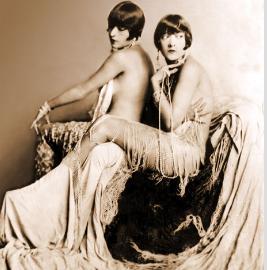
Hengistbury Head had a temporary encampment of reindeer hunters each summer, 12,500 years ago, in the ice age, when the UK was still linked to the continent. There was continuous habitation through the stone, mesolithic, bronze and iron ages. It was a major port before the Roman invasion, with evidence of trading with France and as far as the southern mediterranean. It was occupied by a fierce and warlike tribe, the Durotriges, who built the double dykes as defence, and after whom the county of Dorset is named. They had a causeway across the harbour to Stanpit, to get fresh water.They believed in the afterlife, and so had no fear of death. They would even borrow promising to pay in another life. They didn't resist the Roman invasion, as they had trading links with Rome. A roman ship was found in the harbour, partially excavated and the finds sent to the British Museum, and then the person who funded the excavation died in the first world war, and left no word of where the ship was. The head used to be owned by the Meyrick family, but they sold it to Harry Selfridge, who wanted to build the largest house in England there, 365 rooms, covering the whole head. Fortunately it never happened, but the landscaping started, including the Himalayan rhodedendrum, that were recently torn out by the council. The vast expense worried the Selfridges shareholders, who threw Harry off the board. He was reputed to have dirty weekends in Deauville with the Dolly sisters, spending as much as $800,000 on the gambling tables in a single night. | ||
| | |
 | |||||||
 | |||||||
Racy flappers the Dolly Sisters, the downfall of Harry Selfridge! | |||||||
The drawings of a vast 365 room palace that Harry Selfridge planned for Hengistbury Head. | |||||||
| | | | | | | |
In the nineteenth century there was trade with south Wales, shipping ironstone from Hengistbury and returning with coal. All the ironstone on the sea side of Hengistbury was removed in the process, and then erosion set in, so that Hengistbury has lost about a quarter of its area, and along with it no end of archeological evidence. | ||
| | |
The Priory | ||
| | |
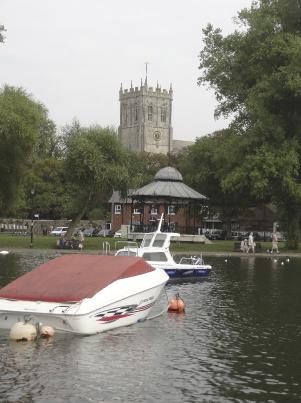 | ||||
The Priory was first built by the Saxons in about 600AD on the site of a bronze age place of worship. Then the main building was built by Flambard, a Norman after the invasion. He started it, then fell out with the king and went back to Normandy, later returning as bishop of Durham. The bishop of Winchester eventually stepped in to finish the construction. Then it was added to by every successive style of architecture, adding to its interest. It was spared from destruction by Henry VIII after a plea by the prior. We also saw the Saxon Place Mill, the only mill where water is taken from one river and the fed on to another. | ||||
| | | | |
Taking the waters | ||
| | |
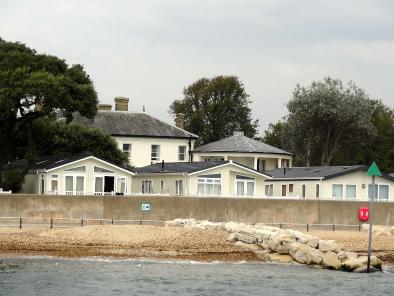 | ||||
The area has a long history as a seaside resort. In the late 18th/early 19th C many villas were built both within and just outside the harbour for the rich to take the waters. George Rose, MP for Christchurch, built Sandhills in 1785. This was visited by royalty, including both George III & IV. The villa with it's rotunda still stands, in the centre of a caravan park! (Pictured left) | ||||
| | | | |
We went out through the race (the harbour entrance) to see Sandhills. George Rose was a friend of Nelson, and he was responsible for the shipping of convicts to Australia and near Sydney are Rose bay, and Rose Mount. | ||
| | |
 | ||||
Another regency villa on the harbour forms the centre of the Christchurch Harbour Hotel, where Paul's mum and dad stayed often, and in the grounds there is a restaurant we regularly frequent - The Jetty. | ||||
| | | | |
 | ||||
The holiday theme continued as we went up the river Stour past the wick ferry, and the Captains Club (pictured), formerly Pontins holiday camp. Now our favourite riverside restaurant. | ||||
| | | | |
 | ||||
Then we went up the Avon past the boatyard that was developed into houses with much controversy as it spoils the view of the Priory. Because it was a spring tide we were able to go to places not normally navigable, including up the Avon almost as far as the medieval bridge. | ||||
| | | | |
 | ||
| | |
 | ||||
There was a shipyard on Mudeford spit, building ships up to 250 tons, and this surviving black house was part of that industry. It is painted in pitch to protect it from the elements. | ||||
| | | | |
The harbour | ||
| | |
The harbour is very shallow, and over the centuries there have been a series of ambitious plans to dredge it and stop the silting and the drift of sand to the mouth. A long breakwater was built as part of the Clarendon plan, but swept away in the great storm of 1706. A plan was drawn up to build a steamer port for the continent with a steam railway connection to the mainline, but that failed too. | ||||
 | ||||
| | | | |
Another plan to make the harbour a naval port was opposed by the locals, many of whom benefitted from the smuggling trade. This was rife here, more than anywhere else on the south coast, as it had the advantages of two tides, the nearby New Forest, etc. Smeaton of St Ives and Eddystone Lighthouse fame was involved in this latter plan, and got no help from the locals, (as smugglers, they didn't want the navy on their doorstep) and didn't think it likely to work. His report still exists. The harbour is still silting up, and is shallower than ever. | ||
| | |
 | ||
| | |
Home | Photo gallery | Retirement | Plants & gardens | Family History | Cruisin' | Food | Other | Contact us | ||
| | |